
"best Ethiopian coffee"
4000 article(s) found

Ethiopian Coffee introduces African Coffee Flavor sidamo
Ethiopia is one of the major producers of Arabica coffee in Africa, producing the best Arabica coffee in the world. It is said that coffee was first discovered by shepherds in Essekafa, and the name of coffee evolved from Kafa, so Ethiopia is still coffee. Ethiopia is one of the major producers of Arabian coffee in Africa. It produces the best Allah in the world.

Coffee Encyclopedia beans and grading of Ethiopian Coffee
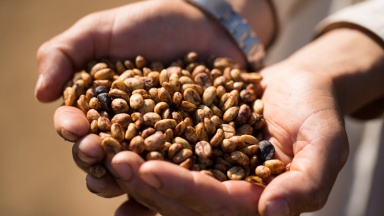
The grading we are talking about now refers to the grading of raw beans in the country where coffee is produced. (no matter which country coffee beans are not graded) Ethiopian coffee beans are divided into five grades. The first and second stages are reserved for washing beans with water. Grade 1 represents 0-3 raw beans and Grade 2 represents 4-12 missing beans per 300g raw beans. Grade 1 (G1) grade water washed bean pole
Grade Analysis of Ethiopian Coffee varieties Ethiopia's main producing areas
Ethiopia is one of the major producers of Arabica coffee in Africa, producing the best Arabian coffee in the world. It is said that coffee was first discovered by shepherds in Essekafa, and the name of coffee evolved from Kafa, so Essex is still the hometown of coffee. The geographical environment of coffee production and processing is very suitable for coffee growth. Coffee is mainly cultivated.

Coffee birthplace introduces Ethiopian coffee beans
One of the rarest Ethiopian coffee beans on the market is Ilgachafi, which is exported to Japan and Europe but is rarely seen in the United States. This is because Dallmeyer, a German coffee roaster owned by Nestl, has established a close relationship with the growers of Ilga Chafi coffee, thus obtaining the largest order of this kind of coffee beans.

Coffee birthplace introduces Ethiopian coffee beans
One of the rarest Ethiopian coffee beans on the market is Ilgachafi, which is exported to Japan and Europe but is rarely seen in the United States. This is because Dallmeyer, a German coffee roaster owned by Nestl, has established a close relationship with the growers of Ilga Chafi coffee, thus obtaining the largest order of this kind of coffee beans.

Introduction to the cultivation of the latest varieties of world-famous Ethiopian coffee
The world-famous Ethiopian coffee mainly includes: 1. Limu coffee grows between 1400 meters and 2000 meters above sea level. washed coffee. Excellent quality, with intense nutty aromas, moderate acidity and wine intensity. Annual production of 29,000 tons. Gima coffee grows between 1400 and 1800 meters above sea level. Sunburn coffee. Slightly sour, nutty and long finish. annual output of

Ethiopian coffee flavor manor area with nut flavor
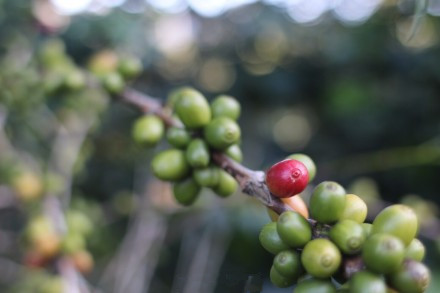
In Ethiopia, the grading and quality control system of coffee is divided into three levels: producer, regional and national. All coffee is inspected by local inspection agencies before leaving the country of origin, and then re-tested at the coffee inspection and grading centers in Addis and Diredawa to determine its quality grade. Coffee is graded before auction and sale, for all involved in production, acquisition,
Ethiopian coffee the characteristics of Ethiopian coffee
The coffee tree originated in Ethiopia, which was originally a wild plant here, and the name coffee comes from the Ethiopian town of Kaffa. Humans may have known how to grow coffee trees as early as the 9th century. Coffee producing area in Ethiopia: many coffee trees in Ethiopia are still wild plants, and the coffee grown on this coffee tree is full of grains.

Ethiopian coffee varieties Ethiopian coffee varieties
Ethiopia can find a variety of coffee cultivation methods: from wild coffee groves and semi-developed land, to small plots of traditional management, to modern plantations. About 50 percent of coffee is grown at altitudes of more than 1500 meters. Harrar coffee is the highest coffee grown in Ethiopia. Hara coffee can be divided into long coffee

The latest introduction of Ethiopian Coffee Yejiaxue Coffee
Compared with other coffee-producing countries, the coffee grown in Ethiopia attracts the world's attention, including Gemma Jimbi, Harald, Limuyegechefi and other varieties. In addition, Ethiopia is the home of the world's earliest coffee, the ancient Abyssinia coffee. So what is the current situation of coffee cultivation in Ethiopia? Fulai high coffee

An introduction to the Origin of Ethiopian Coffee
One of the rarest Ethiopian coffee beans on the market is Ilgachafi, which is exported to Japan and Europe but is rarely seen in the United States. This is because Dallmeyer, a German coffee roaster owned by Nestl, has established a close relationship with the growers of Ilga Chafi coffee, thus obtaining the largest order of this kind of coffee beans.

Ethiopian Coffee Flavor with acidity and texture introduction to the characteristics of Fine Coffee beans in Manor area
Ethiopian people are addicted to coffee. In 2003, domestic consumption accounted for 42.3% of the total output, with a per capita consumption of 3 kg. But more than half of the coffee produced each year is used for export to earn foreign exchange. The main exporters include the United States, Italy, the United Kingdom, Sweden, Norway, Greece, France, Belgium, Germany and Australia. Before 1974, the right to produce, process and trade coffee was controlled by

Kocher coffee beans, the best coffee producing area of Ethiopian coffee brand Yega Xuefei.
For the exchange of professional baristas, please follow the coffee workshop (Wechat official account cafe_style) Ethiopia Yega Sheffield Cochel washing G1 ◎ introduction: Kochere is located in the Gedeo region of southern Ethiopia, and the jurisdiction of this area is better known as Yega Xuefei and Kochere. Due to the coffee produced by Yirgacheffe
What does the classification of Ethiopian coffee mean by washing and tanning G1?
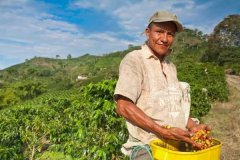
Ethiopian coffee beans are divided into five levels. The first and second stages are washed beans. Washed beans Grade1 represents 3 defective beans per 300g raw beans, and Grade2 represents 4 defective beans per 300g. Gradc1 grade water washed beans are very rare and are generally difficult to buy. At present, all the washed beans exported from Ethiopia are Grade2 grade. The quality of sun-dried beans is Grade3 and Grade4 in order.

Introduction to Ethiopian Coffee Bean Culture of Ethiopian Coffee beans
Various forms of coffee cultivation can be found in Ethiopia: everything from wild coffee forests and semi-developed land to traditionally operated plots to modern plantations. About 50% of the coffee is grown more than 1500 meters above sea level. Harrar coffee is the highest growing area of all coffee in Ethiopia. Hara coffee can be divided into long coffee.
Characteristics of Ethiopian coffee beans introduction of Ethiopian coffee beans
Various forms of coffee cultivation can be found in Ethiopia: everything from wild coffee forests and semi-developed land to traditionally operated plots to modern plantations. About 50% of the coffee is grown more than 1500 meters above sea level. Harrar coffee is the highest growing area of all coffee in Ethiopia. Hara coffee can be divided into long coffee.

Characteristics of Ethiopian coffee beans introduction of Ethiopian coffee beans
Various forms of coffee cultivation can be found in Ethiopia: everything from wild coffee forests and semi-developed land to traditionally operated plots to modern plantations. About 50% of the coffee is grown more than 1500 meters above sea level. Harrar coffee is the highest growing area of all coffee in Ethiopia. Hara coffee can be divided into long coffee.
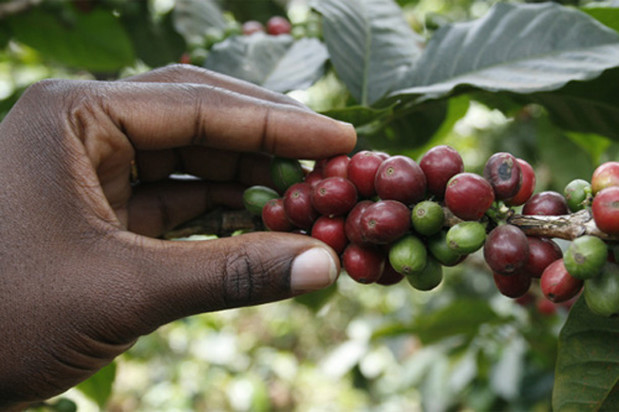
Recommend Ethiopian sun sun Sidamo Sidamo coffee beans Ethiopia Yega Sheffield coffee beans
Ethiopia is one of the major producers of Arabica coffee in Africa, producing the best Arabian coffee in the world. It is said that coffee was first discovered by shepherds in Essekafa, and the name of coffee evolved from Kafa, so Essex is still the hometown of coffee. The geographical environment of coffee production and processing is very suitable for coffee growth. Coffee is mainly cultivated.

Ethiopia, the famous birthplace of Ethiopian coffee and coffee
Compared with other coffee-producing countries, the coffee grown in Ethiopia attracts the world's attention, including Gemma Jimbi, Harald, Limuyegechefi and other varieties. In addition, Ethiopia is the home of the world's earliest coffee, the ancient Abyssinia coffee. So what is the current situation of coffee cultivation in Ethiopia? Fulaigao